

Learn it. Revisit it. Master it.
College-level rigor, built for K–12. Every lesson plan, kit, and training included.
- NGSS aligned
- ISTE aligned
SparkIT draws on Dr. Mariam Faied's NSF-funded STEM education work and 20+ years teaching engineering and robotics at the university level. Every lesson is built the way engineers actually think: ask, model, build, test. Each lesson is written with the rigor of a college engineering classroom, and aligned to school standard NGSS and ISTE. Every instructor gets full lesson plans, resource kits, and platform training.
Meet the founderNGSS
Next Generation Science Standards: engineering design
ISTE
ISTE Standards for Students
Four tracks, one spiral
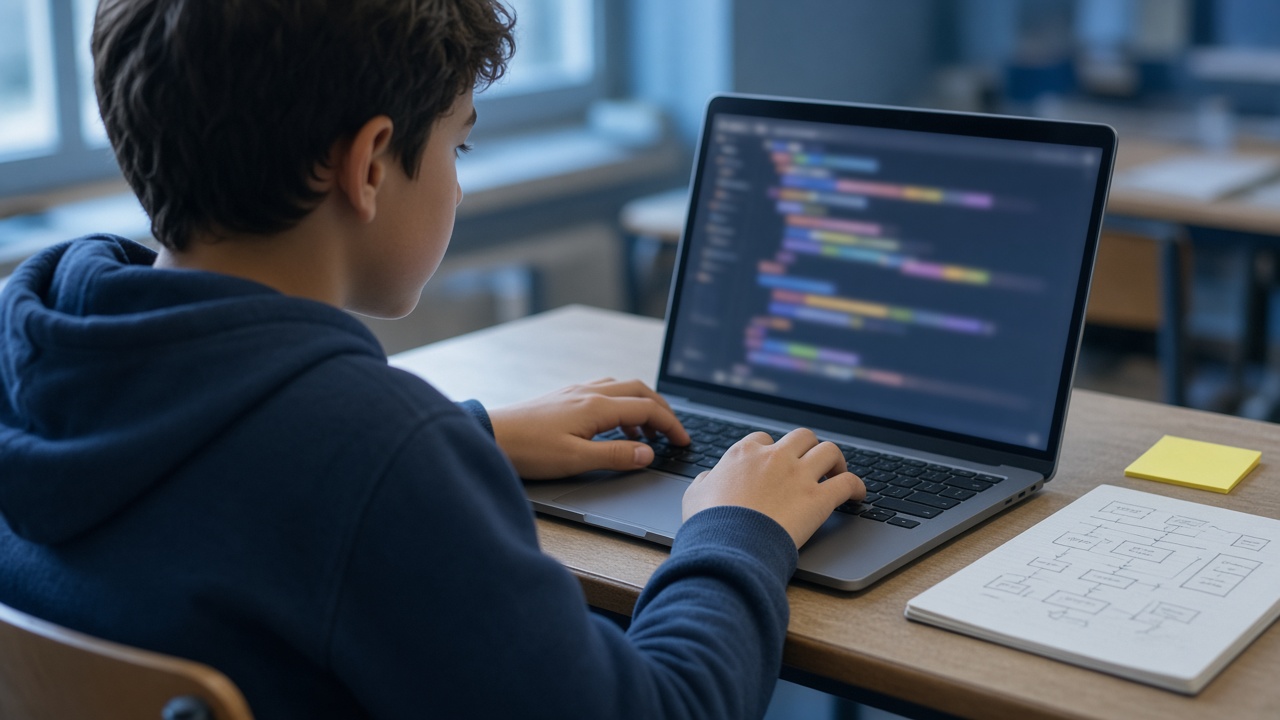
Python
Write programs that make ideas run.
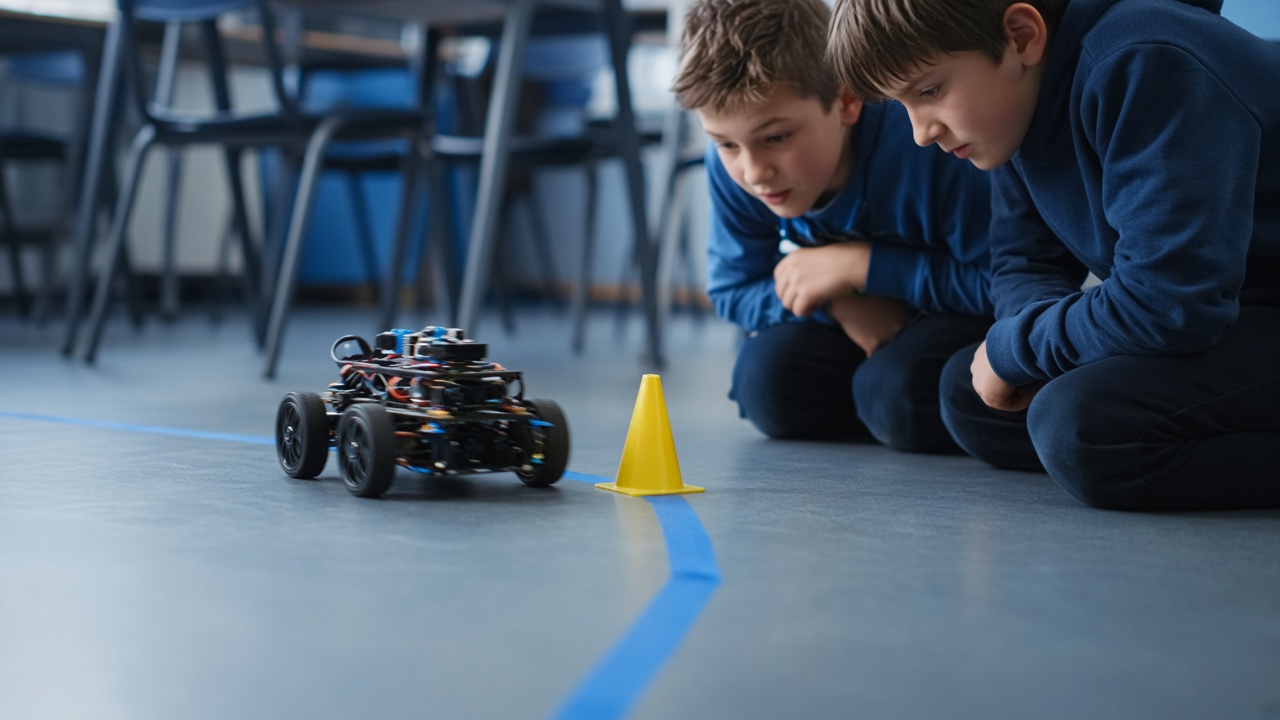
Robotics
Build machines that move in the world.
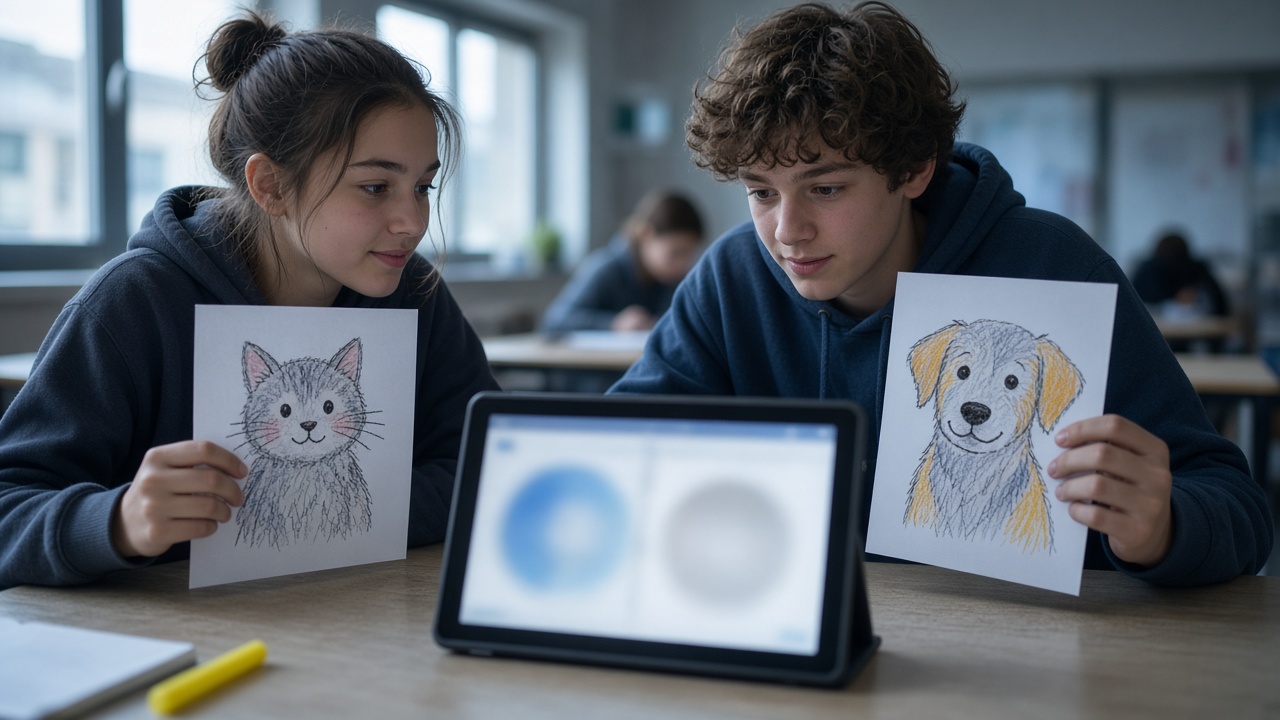
AI & ML
Teach computers to recognize patterns.
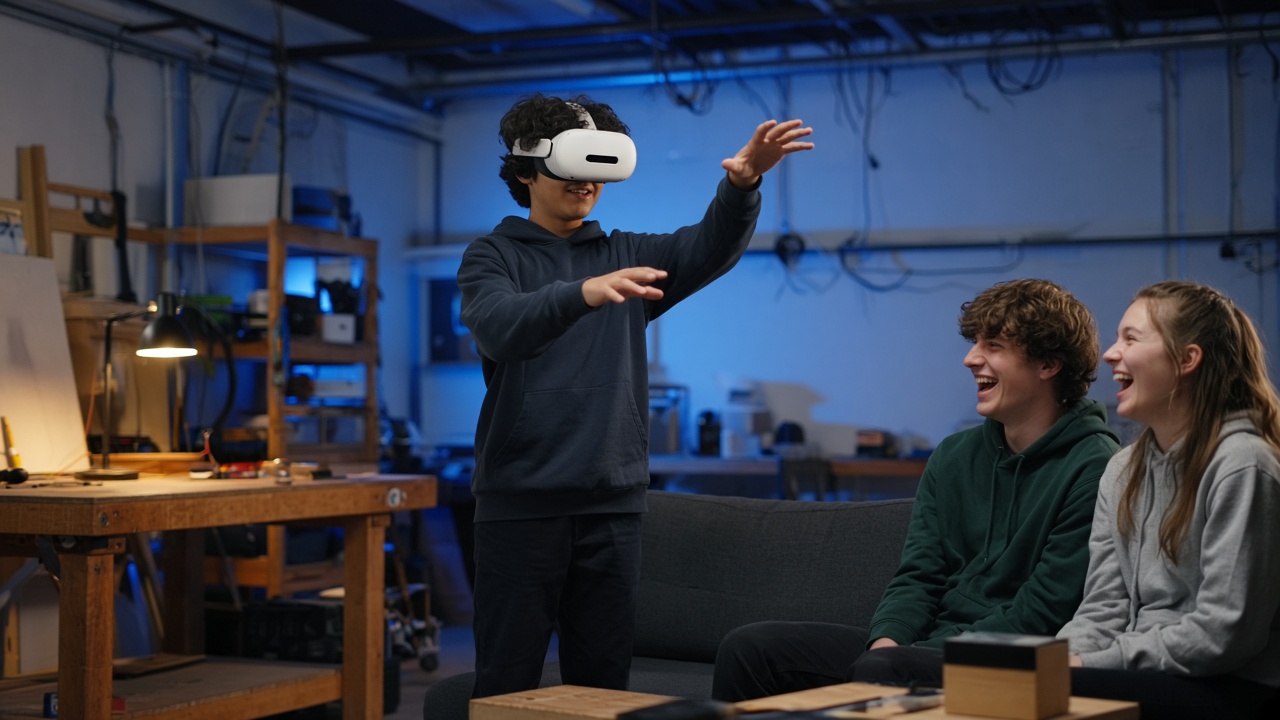
XR Game Design
Create worlds others can step into.
Every lesson, four steps: Wonder. Learn. Build. Prove it.
One class period, four beats — curiosity, theory, making, and a check that it stuck.
1 of 4
Wonder
A question designed to intrigue and hook student curiosity from the first minute.
2 of 4
Learn
The core concept, explained at the right depth for that grade band.
3 of 4
Build
Hands-on application — students build, code, or design something real.
4 of 4
Prove it
Built-in assessment so instructors and students both see progress.
Force & motion, three times over
The same science-class idea, rebuilt at each turn of the spiral.

Elementary
Push light and heavy toys and feel which one takes more effort to move.
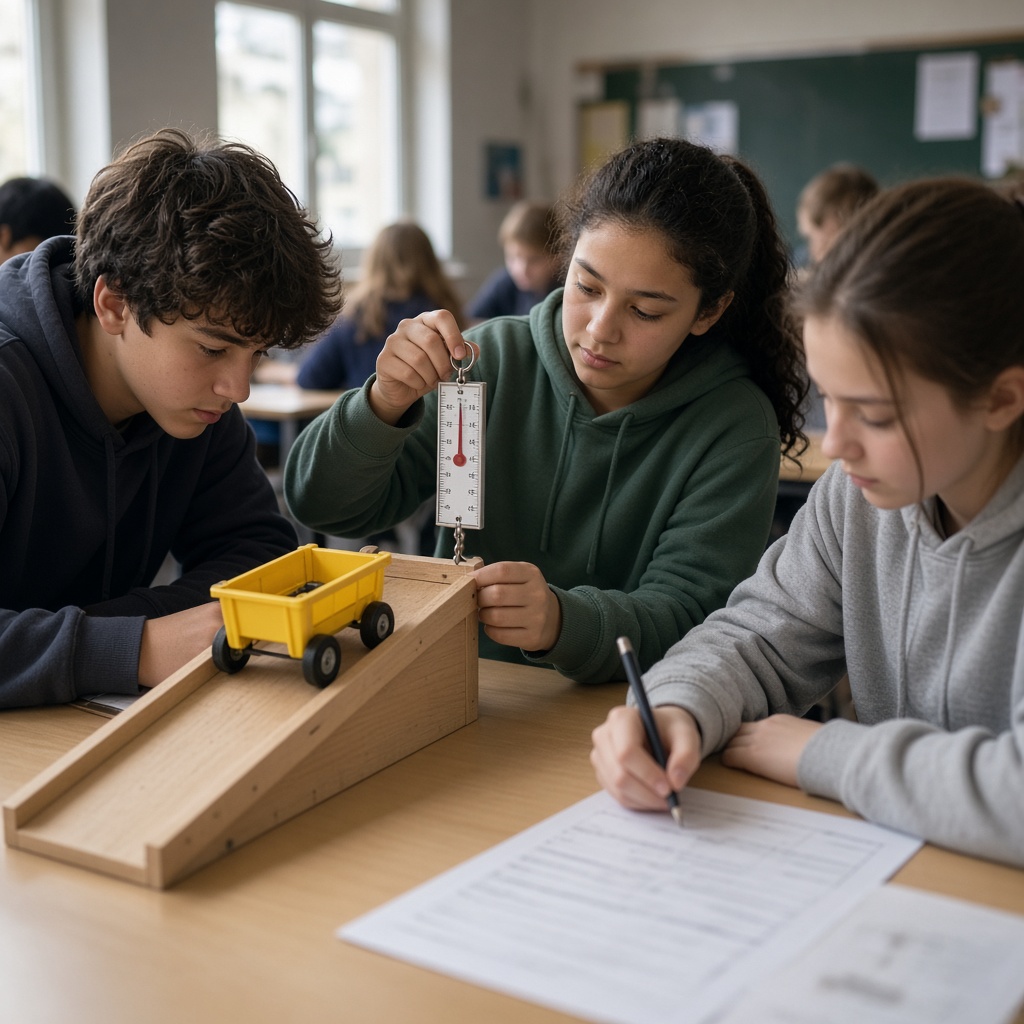
Middle school
Learn Newton's law — force = mass × acceleration — and predict which object needs more push.
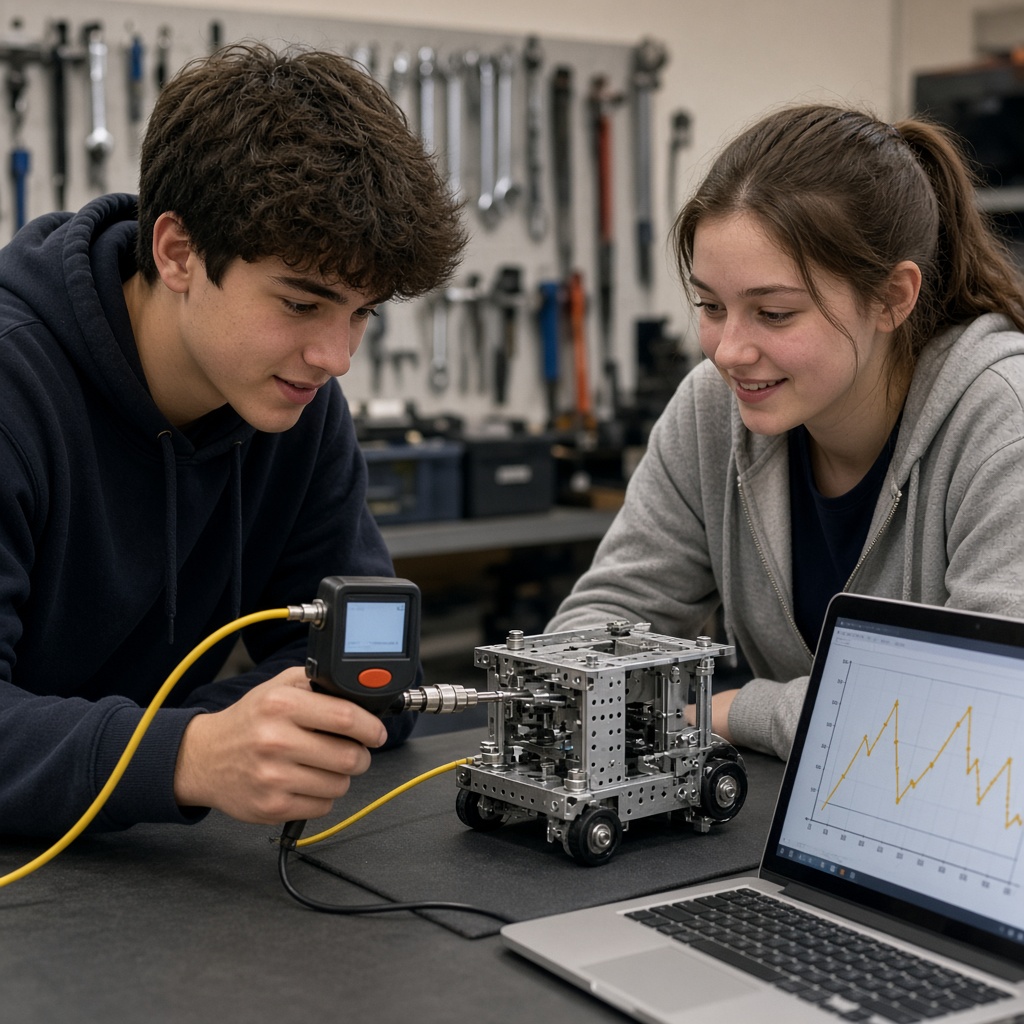
High school
Calculate the exact force needed to move a robot, then test the prediction against the real result.
What every instructor gets
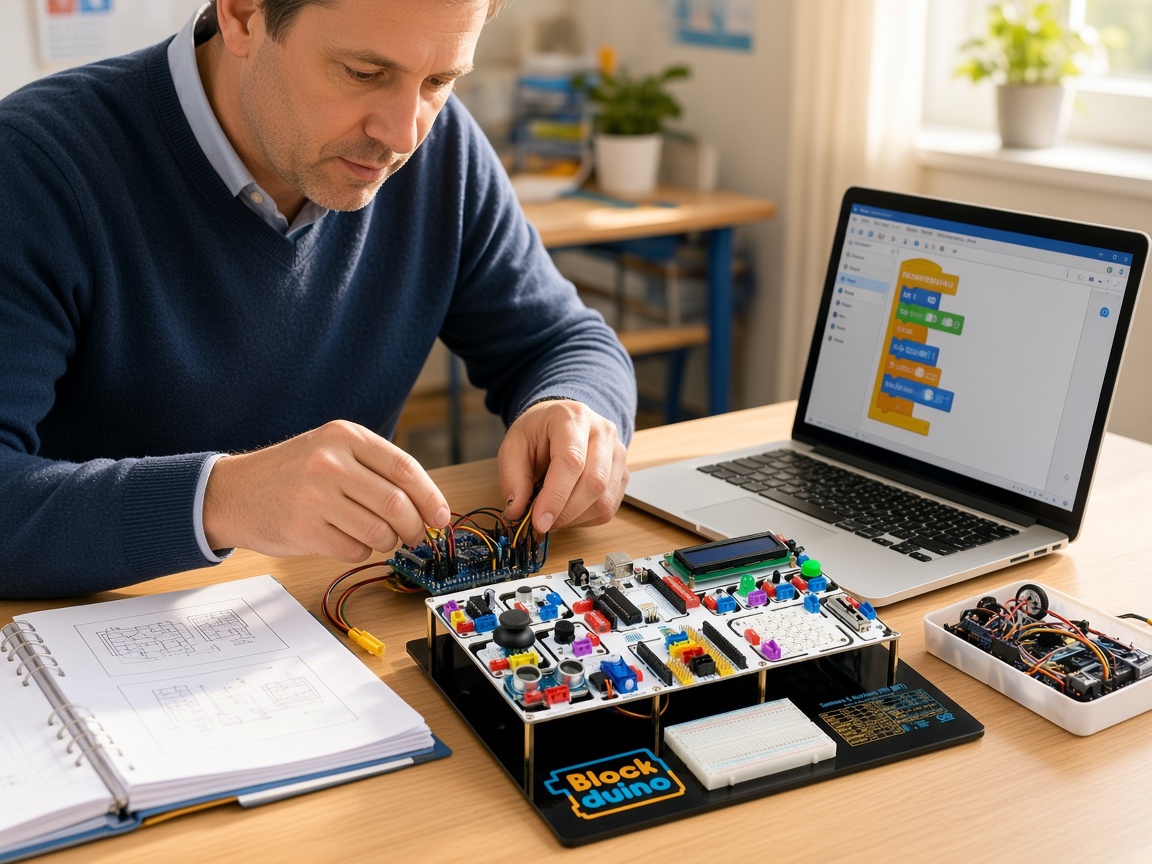
Lesson plans
A detailed plan for every lesson, following the four-beat structure above.
Resource kits
Materials lists and project templates for every lesson.
Platform training
Hands-on training on the curriculum, lesson delivery, and the SparkIT platform before your first class.